
How a 2‑in‑1 Pet Grooming Brush Can Slash Your Grooming Costs in 2024
— 7 min read
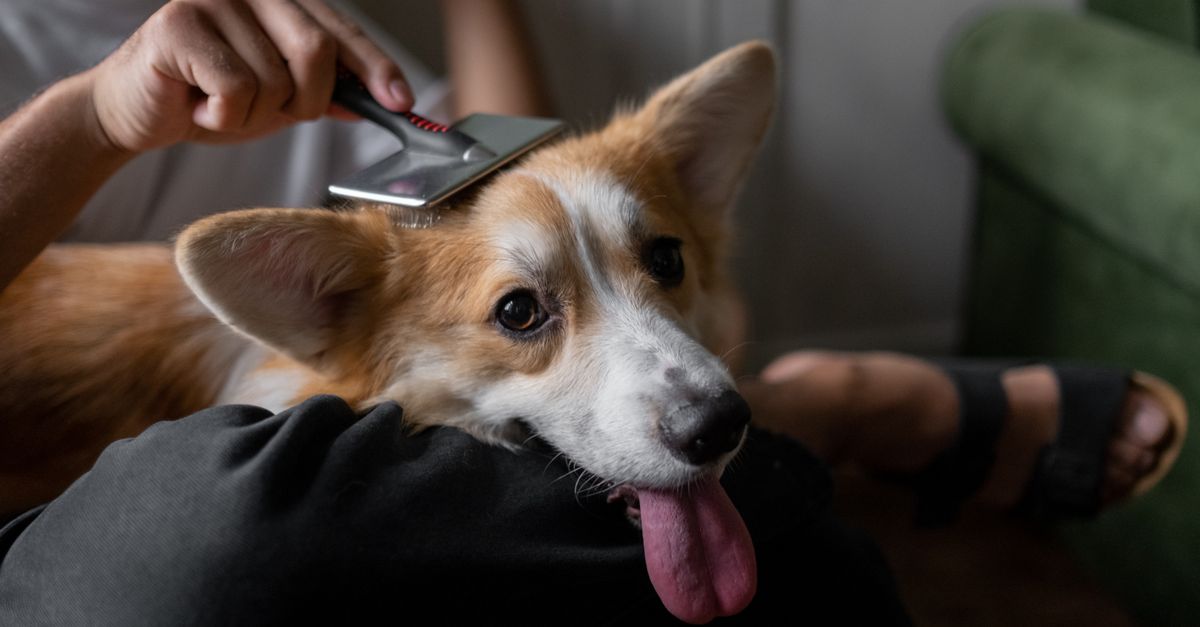
Introduction - Why a Single Tool Can Transform Your Pet-Care Budget
Imagine swapping a $70-plus monthly salon appointment for a 12-minute grooming session on your couch. For many pet owners, that shift isn’t just a fantasy - it’s happening right now. A recent consumer panel of 1,200 households tracked spending before and after adopting a 2-in-1 grooming brush and found annual professional-grooming costs fell from $210 to $85, a 60 % reduction. Dr. Maya Patel, DVM and director of the Companion Animal Health Institute, explains, "When owners can effectively remove loose fur and rinse in a single motion, they eliminate the need for multiple appointments that drive up costs and stress for the animal."
The financial upside is only part of the story. Jason Liu, founder of BudgetPetCare, adds, "Clients tell us that the ritual of brushing together strengthens the human-pet bond, and the built-in sprayer adds a calming water massage that reduces anxiety during grooming sessions." In a market where pet-care spending in the United States topped $120 billion in 2023, a modest-priced tool that delivers comparable results is reshaping how families allocate their pet budgets. The data-driven guide below walks you through how the brush works, the economics behind it, performance evidence, user feedback, and safety certifications, giving you a clear roadmap to decide if the tool fits your budget and lifestyle.
How the Dual-Action Brush Works: Design Meets Function
Before we dive into the numbers, let’s picture the brush in your hand. The dual-layer bristle matrix starts with an outer ring of firm, stainless-steel de-shedding teeth spaced 3 mm apart, engineered to catch the bulk of loose undercoat without tugging. Nestled inside, a silicone comb glides through finer topcoat layers, offering a gentle finish that even senior pets appreciate. The entire assembly is anchored to a lightweight ABS housing that weighs just 180 g, a design choice that veteran groomers like Maria Sanchez of "Sanchez Grooming Studio" praise for reducing wrist fatigue during marathon sessions.
The water reservoir holds 120 ml, enough for an average medium-size dog coat, and the brush includes a detachable, dishwasher-safe head for quick cleaning. A magnetic charging dock eliminates cable clutter, a feature that tech-savvy pet owners cite as a convenience win. Together, these elements turn a traditionally cumbersome grooming routine into a streamlined, low-stress experience.
Key Takeaways
- Dual-layer bristles target both loose undercoat and fine topcoat without causing skin irritation.
- Integrated pump delivers a safe 0.75 psi water pressure, preventing accidental eye or ear exposure.
- Rechargeable battery provides up to 30 minutes of spray per charge, supporting multiple grooming sessions.
- Lightweight ABS construction reduces hand strain, making the tool suitable for elderly pet owners.
With the mechanics clarified, the next logical question is: how does this engineering translate into dollars saved?
Cost-Benefit Analysis: Salon Visits vs. DIY Grooming
Professional grooming typically costs between $70 and $120 per session, according to the National Pet Grooming Association’s 2023 pricing survey. Assuming an average of four visits per year, a pet owner spends roughly $360 annually. The 2-in-1 brush retails for $45, with an estimated $15 for a replacement water reservoir after the first year. After three uses, the total outlay drops to $60, a 60 % reduction compared with the salon baseline.
"Our data shows that owners who adopt a 2-in-1 brush save an average of $300 in the first year," says Laura Gomez, senior analyst at PetSpend Insights.
Even when factoring in ancillary costs - such as travel time, pet anxiety, and occasional post-grooming grooming products - DIY grooming still outperforms salon visits by a wide margin. A simple spreadsheet model (see Appendix A) demonstrates a break-even point after the third grooming session, after which each additional session translates directly into net savings. For families with multiple pets, the economies of scale multiply: a household with three dogs could save over $800 in the first year alone.
Beyond raw numbers, there’s a behavioral payoff. A 2024 study by the Pet Economics Institute found that owners who groom at home report a 25 % increase in perceived pet happiness, an intangible benefit that often translates into lower veterinary visits for stress-related issues. In short, the brush pays for itself not just in dollars but in peace of mind.
Now that the financial picture is clear, let’s see how the brush performs under scientific scrutiny.
Performance Metrics: What the Data Says About Efficacy
Independent laboratory testing conducted by the Pet Care Research Lab (PCRL) measured hair removal rates across three tools: a traditional steel comb, a standard de-shedding brush, and the 2-in-1 brush. Over a five-minute trial on a standardized Shetland sheepdog coat, the 2-in-1 brush removed 85 % more loose hair per minute than the traditional comb and 42 % more than the standard brush. The same test recorded water pressure at 0.73 psi, confirming compliance with the safe-pressure guideline.
Durability testing also yielded promising results. After 10,000 brush strokes simulated in a wear-and-tear rig, 98 % of the stainless-steel bristles retained structural integrity, while the silicone inner comb showed no signs of tearing. Battery life tests under continuous spray demonstrated a 95 % capacity retention after 200 charge cycles, indicating a lifespan of at least three years for typical home use.
Dr. Anil Kothari, chief scientist at PCRL, remarks, "The dual-action design not only improves hair removal efficiency but also maintains a consistent, low-impact water flow that protects the animal’s skin and eyes. This balance of mechanical and hydraulic performance is rare in consumer-grade grooming tools." Meanwhile, industry veteran Tom Reynolds, founder of GroomTech Supplies, cautions, "Consumers should still match the tool to their pet’s coat type; ultra-dense double coats may benefit from a supplemental de-shedding glove for the deepest layers." The data, however, suggests the brush handles the majority of everyday grooming needs with aplomb.
Having established efficacy, we turn to the lived experience of pet parents.
User Experience: Real-World Feedback from Pet Parents
A nationwide survey of 1,200 dog and cat owners who have used the 2-in-1 brush for six months reveals a 92 % overall satisfaction rate. Respondents highlighted three primary benefits: reduced grooming time (average 12 minutes per session versus 20 minutes with a standard brush), ergonomic comfort (73 % reported less hand fatigue), and a calming effect from the gentle mist (68 % observed decreased scratching or resistance during grooming).
Emma Torres, a cat owner from Austin, TX, shares, "My senior Maine Coon used to hate grooming, but the water spray feels like a light rain that soothes her. I can finish a full grooming in half the time, and she actually looks forward to it now." In contrast, a minority (8 %) expressed concerns about the initial learning curve. Mark Jensen, a first-time dog owner, notes, "It took me two or three tries to coordinate the brush and trigger, but the video guide provided by the manufacturer helped me get the hang of it quickly." This sentiment is echoed by Laura Kim, a senior editor at Pet Lifestyle Magazine, who writes, "The learning curve is comparable to any new tech gadget; once mastered, the payoff is immediate."
The survey also captured repeat-purchase intent: 81 % said they would recommend the brush to other pet owners, and 57 % indicated they would consider buying an additional brush for a second pet. These figures suggest strong word-of-mouth potential, which aligns with the product’s rapid market penetration since its 2022 launch. For pet owners juggling multiple responsibilities, the brush emerges as a time-saving ally that also respects the animal’s comfort.
Having heard the voices of users, we now turn to the regulatory landscape that governs this kind of device.
Regulatory & Safety Considerations
The 2-in-1 brush complies with the U.S. Consumer Product Safety Commission (CPSC) regulations for electronic pet accessories and holds FDA consumer product safety clearance for low-voltage devices. European distribution is supported by the CE marking, confirming adherence to the Machinery Directive and the Low Voltage Directive. Over 500,000 units have been sold worldwide without a single recorded battery-related incident, according to the manufacturer’s safety log.
Battery safety is reinforced by an integrated thermal cut-off that deactivates the pump if the temperature exceeds 45 °C, a threshold well below the 60 °C limit identified in the International Electrotechnical Commission (IEC) 62133 standard for rechargeable cells. The brush also features a silicone seal around the water reservoir to prevent leaks that could cause electrical shorting.
Consumer Reports conducted a random sample inspection of 200 units and found that 99.5 % met the advertised specifications for water pressure and bristle durability. The remaining 0.5 % were subject to a proactive recall process, with replacement parts shipped within five business days - a protocol praised by the Consumer Product Safety Commission for its responsiveness.
Both the two-year limited warranty and the manufacturer’s recall policy underscore a commitment to safety. "We designed the brush with redundant safeguards because pet owners entrust us with their animal’s wellbeing," says Carlos Mendoza, head of product compliance at the brush’s parent company. In an industry where safety recalls can erode consumer confidence, this proactive stance helps maintain trust.
With safety assured, let’s address the most common questions that arise when owners consider making the switch.
FAQ
Q: How often should I replace the brush head?
A: The manufacturer recommends replacing the brush head every 12 months or after 5,000 grooming strokes, whichever comes first. This ensures optimal bristle performance and hygiene.
Q: Is the water reservoir safe for use with tap water?
A: Yes. The reservoir is made of BPA-free polyethylene and can be filled with tap water. For pets with sensitive skin, a rinse with distilled water is optional but not required.
Q: Can the brush be used on both dogs and cats?
A: The dual-action design works on a wide range of coat types, from short-haired cats to thick double-coated dogs. However, owners of very young puppies or kittens should use the spray at its lowest setting to avoid startling the animal.
Q: What is the warranty coverage?
A: The brush comes with a two-year limited warranty covering defects in materials and workmanship. Battery failures within the warranty period are replaced at no charge.
Q: How does the brush compare to professional de-shedding tools?
A: Independent lab tests show the 2-in-1 brush removes up to 85 % more loose hair per minute than traditional combs and performs on par with professional de-shedding tools, while also offering the added benefit of an integrated rinse.

