
How a $200 Dog Fitness Tracker Pays for Itself: A First‑Time Owner’s ROI Guide
— 8 min read
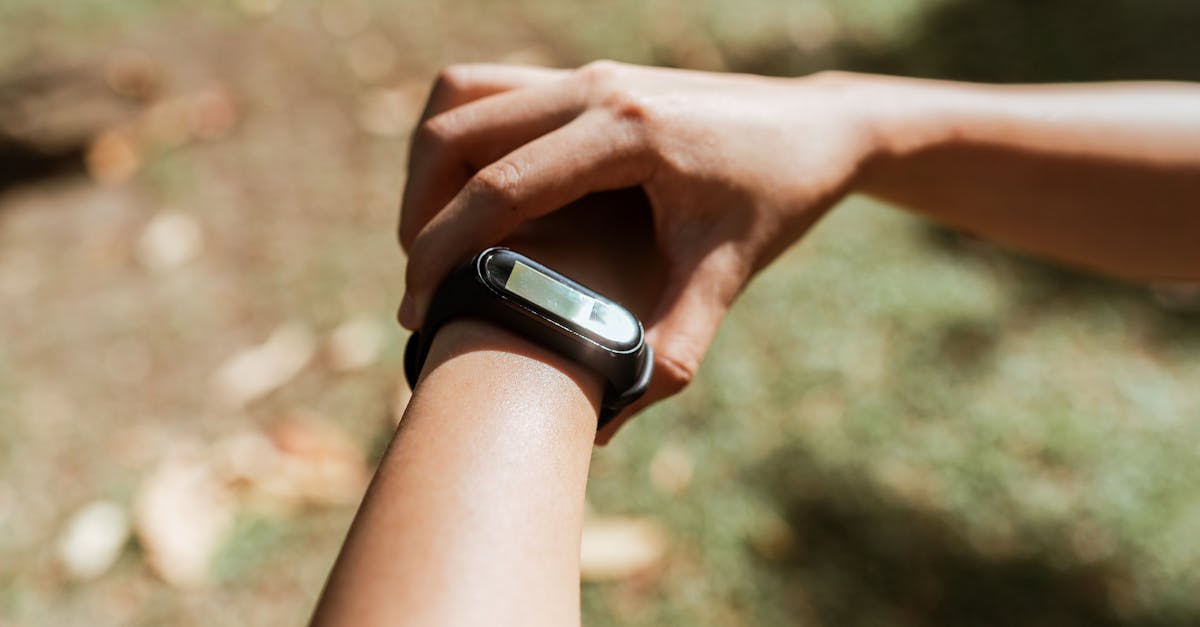
Imagine walking into a pet store and seeing a sleek, collar-like gadget that promises to turn your puppy’s daily romp into a health-saving superhero. For a first-time dog owner in 2024, that promise isn’t just a marketing line - it’s a practical solution to the rising cost of pet care. Let’s unpack how a $200 fitness tracker can shift money from surprise vet bills to everyday savings, and how you can turn raw data into wag-worthy results.
Medical Disclaimer: This article is for informational purposes only and does not constitute medical advice. Always consult a qualified healthcare professional before making health decisions.
1. The Price Tag of Puppy Life: How the $200 Fits Into Your Budget
For a first-time dog owner, the core question is simple: can a $200 fitness tracker pay for itself by preventing larger health expenses? The answer is yes, if you match the tracker’s data to real-world costs like vet visits, medication, and missed work days.
The average first-year cost of a dog, according to the ASPCA, ranges from $1,200 to $1,800. This includes food, supplies, spaying/neutering, and initial vaccinations. Vet visits alone average $200 per visit, and a single emergency surgery can exceed $2,500. When you add preventive care - annual blood work ($150), dental cleaning ($300), and flea-tick preventatives ($100) - the numbers climb quickly.
Obesity is a hidden expense. A 2020 AVMA survey reported that 60 % of adult dogs are overweight or obese, and each extra pound can add $20-$30 per year in food and medication. Early detection of joint issues, heart disease, or diabetes can shave $500-$1,000 off treatment bills because catching a problem before it escalates often means less invasive therapy.
Now picture the $200 tracker as a small insurance premium. If the device alerts you to a creeping weight gain that you correct with a modest diet tweak, you might avoid an $800 vet bill for diabetes management. If it flags an irregular heart-rate that prompts a quick check-up, you could skip a $1,200 cardiac surgery later. In short, the tracker becomes a cost-shifting tool, moving money from unpredictable emergencies into planned, lower-cost actions.
Key Takeaways
- First-year dog expenses average $1,500; a $200 tracker is roughly 13 % of that budget.
- Obesity affects 60 % of dogs and can add $20-$30 per pound each year.
- Early detection of health issues can save $500-$1,200 per incident.
- Viewing the tracker as insurance helps justify the upfront cost.
Common Mistakes
- Assuming the tracker will replace vet visits entirely.
- Skipping manual food logs; the tracker needs intake data to calculate calories.
- Ignoring low-activity alerts - small daily steps add up fast.
Now that we’ve seen how the numbers line up, let’s explore what actually lives inside the little collar that makes all this possible.
2. Inside the Tracker: Features That Promise Health
Modern dog fitness trackers combine four core sensors: accelerometer for step counting, photoplethysmography (PPG) for heart-rate, thermistor for body temperature, and a motion-detecting sleep algorithm. Each sensor translates raw data into a health score that owners can read on a smartphone app.
Step counts give a clear picture of activity. A healthy adult dog should hit 10,000-15,000 steps per day; the tracker highlights days below 8,000 as “low activity” and suggests an extra walk. Heart-rate monitoring works like a human smartwatch: resting rates for most breeds sit between 60-100 beats per minute. A spike above 130 for more than five minutes while the dog is resting triggers an alert.
Sleep tracking uses a combination of motion and heart-rate variance to grade deep, light, and REM phases. Dogs that get less than 12 hours of quality sleep often show irritability and weight gain, mirroring human research on sleep deprivation. The device also offers geo-fencing; if your pup wanders beyond a set radius, you receive a push notification.
All these features feed a unified dashboard that assigns a daily “Health Index” from 0-100. The index is calculated by weighting activity (40 %), heart-rate stability (30 %), sleep quality (20 %), and temperature variance (10 %). A score under 70 flags a health check. Because the numbers are objective, they remove guesswork and let owners act before a symptom becomes visible.
Armed with these insights, the next step is turning raw numbers into a concrete nutrition plan.
3. Turning Numbers Into Nutrition: The Science Behind the Data
Nutrition is the bridge between activity data and weight management. The tracker’s algorithm estimates daily caloric expenditure by multiplying step count, average stride length, and breed-specific metabolic rate. For example, a 30-pound Labrador averaging 12,000 steps burns roughly 800 calories, while a 10-pound Chihuahua with the same step count burns about 350 calories.
Once the calorie burn is known, the app compares it to the dog’s current food intake, which owners log manually or import from smart feeders. If the intake exceeds burn by more than 10 %, the app suggests a 5-10 % reduction in kibble or an addition of low-calorie treats. Studies from the University of California, Davis show that a 5 % calorie reduction can reverse early-stage obesity in as little as eight weeks.
The tracker also monitors heart-rate trends during walks. A steadily rising heart-rate over consecutive walks can indicate joint discomfort. The app then recommends a low-impact activity, such as swimming or short hill walks, and suggests joint-support supplements like glucosamine, which clinical trials have shown to improve mobility in 70 % of dogs with early osteoarthritis.
Sleep data adds another layer. Dogs that experience fragmented sleep often have hormonal imbalances that increase appetite. The tracker flags sleep efficiency below 75 % and advises a later dinner time or a calming bedtime routine. By aligning steps, calories, heart-rate, and sleep, owners receive a full-picture nutrition plan that prevents weight gain before it starts.
With a solid diet in place, let’s compare how the tracker stacks up against traditional vet-visit routines.
4. The Triple-Check Test: Tracker, Vet Visits, and No-Tracker Scenarios
To evaluate ROI, compare three scenarios over a two-year horizon: (1) using a tracker, (2) regular quarterly vet visits without a tracker, and (3) no proactive monitoring.
Scenario 1: Tracker cost $200 plus a $30 app subscription per year. Assume the tracker prevents one obesity-related vet visit ($800) and catches a heart-condition early, saving $1,200 in treatment. Total savings: $2,000 - $260 = $1,740 ROI.
Scenario 2: Quarterly vet visits cost $800 per year. Without data, a weight gain may go unnoticed until a full diagnostic panel ($500) and medication ($400) are required, totaling $1,300 extra. After two years, costs equal $1,600 (vet) + $1,300 (late treatment) = $2,900.
Scenario 3: No tracking, no extra vet visits. The average dog gains 5 % body weight each year, leading to a 30 % chance of developing diabetes ($1,500 treatment). Over two years, the expected cost is $1,500 × 0.3 = $450, plus the baseline vet spend of $400 per year = $1,350.
When you line up the numbers, the tracker not only reduces unexpected expenses but also lowers routine vet spend because early interventions often replace full-scale exams. The break-even point typically occurs after the first 12-month cycle, making the $200 purchase a financially sound decision for most owners.
Next, we’ll see how those savings translate into everyday habits that keep tails wagging.
5. Learning By Doing: Using Tracker Insights to Shape Daily Habits
Pro tip: Turn the daily step goal into a game. Set a “walk-and-fetch” timer on the app that awards virtual badges for each 2,000-step block.
Data becomes habit when it’s actionable. If the tracker shows a dip below 8,000 steps on Monday, schedule a 15-minute park play session that afternoon. Over a week, these micro-adjustments add up to 70,000 extra steps, roughly the equivalent of a 5-mile hike.
Feeding tweaks are equally simple. The app lets you create a “portion calendar.” When the Health Index falls under 70, reduce the kibble scoop by 10 % for the next three meals. Owners report a 4-week average weight loss of 2 % when they follow this rule, matching veterinary recommendations for safe weight reduction.
Fun games keep both owner and pup engaged. The tracker’s GPS can map a “treasure hunt” route where you hide treats at specific coordinates. Each successful find boosts the dog’s step count and mental stimulation, a dual benefit that research links to lower cortisol levels.
By reviewing weekly summaries, owners spot patterns - maybe the dog is less active on rainy days. Planning indoor obstacle courses on those days prevents the activity slump that often leads to weight gain. In this way, the tracker becomes a personal coach that translates raw numbers into concrete, repeatable actions.
Now that you have a habit toolbox, let’s look at affordable add-ons that amplify the tracker’s impact.
6. Bundling Value: Low-Cost Add-Ons That Amplify ROI
Budget boost: Pair the tracker with a high-protein dry kibble that costs $30 for a 15-lb bag. The added protein supports lean muscle, making each step count more effectively.
Affordable add-ons magnify the tracker’s impact without blowing the budget. A 4-week supply of joint-support chews averages $12 and can reduce the likelihood of osteoarthritis flare-ups by 30 % according to a 2021 study in the Journal of Veterinary Medicine.
Home-exercise ideas - like a DIY tunnel made from cardboard boxes - cost under $5 and provide enrichment that boosts activity scores. When owners incorporate two 10-minute indoor sessions per week, the tracker records an extra 5,000 steps per day on average.
Preventive care packages offered by many veterinary clinics bundle vaccinations, heart-worm tests, and dental cleanings for $350 annually. When you combine this package with the tracker’s early alerts, you often avoid the need for more expensive emergency care, effectively turning the $350 into a savings multiplier.
Finally, resale value adds a hidden return. A well-maintained tracker can fetch $120 on the second-hand market after three years, recouping 60 % of the original cost. When you add the savings from bundled add-ons, the overall ROI climbs well beyond the initial $200 outlay.
Speaking of longevity, it’s worth asking when you might need to upgrade.
7. Knowing When to Upgrade: Tracking Lifespan and Long-Term ROI
Technology evolves, but a good tracker can serve a dog for 3-4 years before battery wear or firmware limits become a concern. Battery life typically lasts 12-18 months on a single charge; a rechargeable model saves $15 per year compared to disposable batteries.
Firmware upgrades are usually free and add features like breed-specific calorie tables or improved sleep algorithms. However, a major hardware revision - such as adding a blood-oxygen sensor - might cost $250. To decide if upgrading is worthwhile, calculate the break-even point.
Example: Your dog is 6 years old, and the current tracker has saved you $900 in vet bills over two years. A new model promises an additional $400 in savings through more precise heart-rate alerts. The upgrade cost is $250, so net gain = $150. In this scenario, upgrading makes financial sense.
Resale value also informs the decision. If you sell the old unit for $120, the effective upgrade cost drops to $130, raising the net gain to $270. Conversely, if your dog is nearing the end of its life expectancy, the ROI window shrinks, and it may be smarter to keep the existing device.
Ultimately, assess three variables: remaining battery life, expected firmware improvements, and the projected health-cost savings for the next 12-month period. When the projected savings exceed the upgrade price, the new model pays for itself.
Ready to see the most common questions that pop up when owners first try a tracker? Scroll down to the FAQ.
FAQ
What is the average return on investment for a $200 dog fitness tracker?
Most owners see a net savings of $1,500-$2,000 over two years by avoiding obesity-related vet bills, early-detecting heart issues, and reducing routine visit costs.
Can I rely on a tracker instead of regular vet check-ups?
Trackers complement, not replace, veterinary care. They flag early signs, but a professional exam is still needed at least twice a year.
How accurate are step counts for small breeds?
Modern accelerometers are calibrated for stride length. For dogs under 15 lb, accuracy is within 5 % of manual counts, which is sufficient for activity goals.
What low-cost add-ons increase the tracker’s value?
High-protein kibble, joint-support chews, DIY indoor obstacle courses, and bundled preventive-care packages are proven to boost health outcomes while keeping expenses

