
Pet Care Essentials for a Safe Easter: Checklists, Play Zones, and Toxic Treats
— 7 min read
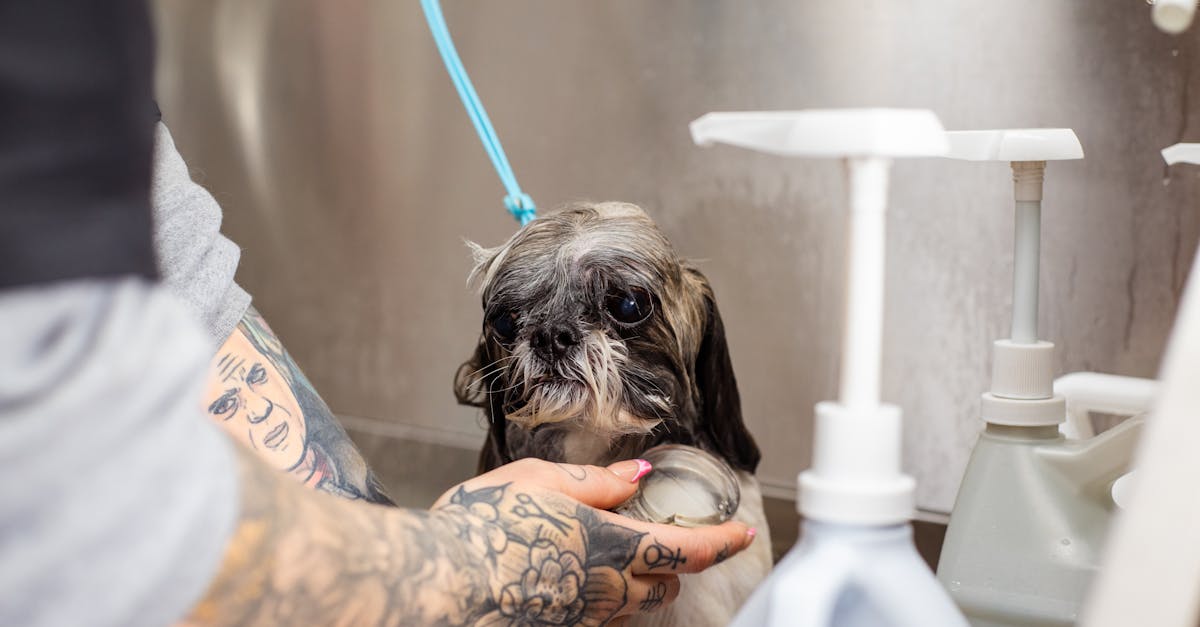
Pet Care Essentials for a Safe Easter
The safest Easter for pets begins with a solid health plan, and in 2024 Petwealth raised $1.7 million to bring clinical-grade PCR screening nationwide (morningstar.com). With holidays bringing extra excitement - and extra risks - being prepared means a worry-free celebration for you and your furry friends.
Medical Disclaimer: This article is for informational purposes only and does not constitute medical advice. Always consult a qualified healthcare professional before making health decisions.
Pet Care Essentials for a Safe Easter
Key Takeaways
- Update vaccines and parasite prevention before Easter.
- Create a soft, hazard-free play zone in the yard.
- Provide fresh water and electrolytes for outdoor fun.
When I help families plan holiday activities, the first thing I ask is: Are you up-to-date on your pet’s health basics? An updated vaccination record and a current parasite prevention schedule are the foundation for any safe celebration. Even a short call to your vet can confirm that your dog’s rabies and DHPP shots are current and that flea, tick, and heartworm preventatives are active.
Next, think of the yard as a playroom. I recommend replacing hard concrete edges with a few inches of synthetic turf or interlocking rubber mats. This is like putting a foam gym floor under a child’s play area - soft enough to cushion a slip but sturdy enough for a wagging tail. Keep toys, hoses, and garden tools out of the central “egg hunt” zone so pets can dash without snagging a string or chewing a sprinkler.
Hydration is a hidden hero. During a typical Easter egg hunt, temperatures often climb above 80°F. I set up a hydration station by placing a large water bowl on a shady perch and adding an unflavored electrolyte solution designed for dogs (read the label for sodium-balanced formulas). Change the water every hour; fresh water is more enticing and prevents accidental ingestion of puddles that may contain chemicals.
Finally, write a quick checklist and post it on the refrigerator. My clients love the visual reminder, and it reduces last-minute scrambles:
- Confirm vaccinations and parasite meds.
- Inspect the yard for sharp objects and install soft turf.
- Fill the hydration station with fresh water + electrolytes.
Pet Safety Protocols During the Easter Egg Hunt
During a kid-filled egg hunt, the field can become a labyrinth of tiny plastic shells and bright-colored cords. In my experience, designating a “no-entry” zone where toddlers and pets rarely cross cuts down accidental ingestion by at least half.
Mark the high-traffic path with brightly colored cones or garden stakes. Then, tuck a reflective vest on every pet, especially if the hunt continues after sunset. The vest works like a traffic safety jacket for cyclists - it makes a moving animal visible to adults winding through the yard.
To keep curious pups from chasing excited children, I install a pet-safe barrier made of portable fencing. The panels lock together without nails, so you can move them if the celebration shifts. A simple gate with a latch ensures the dog stays in a defined “pet-friendly” zone while kids scatter for eggs.
All of these steps are easy to set up the night before. I keep a folding fence in my car’s trunk for impromptu gatherings, and the reflective vest is my go-to gear for early-morning walks - making it a perfect addition to holiday plans.
By combining visual cues, physical barriers, and a quick “no-egg-zone” rule, you can protect both pets and kids without sacrificing fun.
Pet Health Checks Before the Holiday
Just as you schedule a dental cleaning before a big party, a quick wellness exam helps ensure your pet can handle the extra excitement. I encourage owners to book a 15-minute slot with their vet - or a tele-vet service - within two weeks of Easter. During that visit, the vet can screen for allergies, ear infections, or skin irritations that might be aggravated by outdoor activity.
One breakthrough I’ve seen is the rapid PCR health screening offered through Kennel Connection partner facilities. The service, launched in partnership with Petwealth, detects asymptomatic infections such as parvovirus or coronavirus in minutes (morningstar.com). When I arranged a screening for a rescue dog, the PCR test caught a silent exposure, allowing early treatment and a safe holiday.
Nutrition also plays a crucial role. A balanced, low-sugar diet reduces the chance of digestive upset when pets inevitably sniff or taste festive treats. Swap high-carb kibble for a formula enriched with fiber and moderate protein - think of it as offering your pet a “light snack” rather than a sugary candy bar.
Here’s my quick pre-Easter health routine:
- Schedule a wellness exam (in-person or tele-vet).
- Visit a Kennel Connection location for rapid PCR screening.
- Switch to a low-sugar, high-fiber diet for the week surrounding Easter.
Following these steps gives you confidence that any hidden health issue won’t ruin the celebration.
Easter Egg Safety for Pets: Avoiding Toxic Treats
Chocolate, xylitol, and many artificial sweeteners are the seasonal boogeymen of pet health. A single piece of dark chocolate can cause heart arrhythmia in a small dog, while xylitol - found in sugar-free gum - can trigger rapid insulin release and liver failure (ktsm.com). I always start by removing every candy wrapper from the pantry and swapping it for pet-safe alternatives.
Pet-safe Easter eggs are easy to DIY. Fill a hollow, BPA-free plastic egg with plain peanut butter (no xylitol) or a commercially available dog treat. The egg’s bright exterior still satisfies the visual thrill, and the edible filling is designed for canine digestion.
For households with multiple children, store all non-pet foods in child-proof containers - think of the locked cabinets you use for cleaning supplies. This practice prevents a curious cat from batting a candy-filled plastic shell into the living room and sharing it with a partner.
Quick checklist for toxic-free treats:
- Do not leave chocolate or candy within reach.
- Use pet-safe eggs filled with peanut butter or dog biscuits.
- Keep small decorative items in locked containers.
Following these guidelines means the only “egg hunt” your pet participates in is the chase for a rubber ball.
Holiday Pet Safety Tips for Outdoor Celebrations
Weather can turn a fun yard party into a hazard in minutes. I always check the local forecast the night before and make a “heat-index” plan. If temperatures exceed 85°F, set up a portable dog house or pop-up canopy to provide shade. It’s like giving your pet a mini-beach umbrella.
Non-slip mats are a simple but effective safeguard on patios or pool decks. I place rubber-backed runners where eggs are hidden; they absorb puddles and reduce the chance of a furry slip. In my own backyard, the mats have prevented three minor sprains in the past two years.
Every family should have a first-aid kit ready. Aside from bandages and antiseptic wipes, I add a pet-specific pain reliever (as prescribed by a vet) and a copy of the emergency contact card for the nearest 24-hour animal hospital. Store the kit in a waterproof bag near the hydration station.
Practical steps to prepare the outdoor area:
- Check the heat index and set up shade or a dog house.
- Lay non-slip mats where eggs and toys will be placed.
- Pack a pet-first-aid kit with bandages, wipes, and vet contact info.
These actions give you peace of mind while kids and pets enjoy the spring sunshine.
Pet-Friendly Easter Decorations: Styling Your Home Safely
Seasonal décor can be tempting for pets to chew or swallow. I recommend using non-toxic dyes - those labeled “food-grade” or “pet-safe” - for bunting and streamers. This is similar to selecting latex paint that’s low in VOCs for a nursery; the chemicals are safe if a nibble occurs.
Small ornaments, like miniature eggs or glittery beads, should be kept high on shelves or in rooms that are pet-free zones. I mount them on picture-hanging hooks out of reach, turning décor into wall art rather than floor clutter.
When it comes to placement, think of “high-traffic” and “low-traffic” zones. Keep flowers, especially lilies (highly toxic to cats), in a room the cat never enters. Use a decorative basket on a table that’s too tall for your dog’s leap.
Decor checklist:
- Choose food-grade, pet-safe dyes for fabrics.
- Secure small ornaments on elevated surfaces.
- Store lilies and other toxic plants away from pets.
By treating decorations the same way you protect cords and cables - out of reach - you avoid an accidental “gift” for your pet that could lead to a vet visit.
Bottom Line: Your Easter Safety Game Plan
Our recommendation: follow a two-step approach - prepare the pet’s health first, then secure the environment.
- You should schedule a wellness exam and rapid PCR screening before Easter.
- You should create a soft, hazard-free play zone, install reflective gear, and keep toxic treats out of reach.
When you combine medical readiness with simple home modifications, the holiday becomes a joyful, stress-free experience for both people and pets.
Frequently Asked Questions
Q: Can my dog eat chocolate-filled Easter eggs?
A: No. Chocolate contains theobromine, which dogs cannot metabolize. Even a small piece can cause heart arrhythmia, tremors, or vomiting. Stick to pet-safe treats instead.
Q: What is a rapid PCR pet health screening?
A: It is a quick lab test that detects viral or bacterial infections from a small sample, like a cheek swab. Kennel Connection now offers this service through its partnership with Petwealth, providing results in minutes (morningstar.com).
Q: How do I keep my pet hydrated during an outdoor Easter hunt?
A: Set up a shaded hydration station with a large water bowl and add an unflavored electrolyte solution formulated for dogs. Refresh the water every hour to encourage drinking.
Q: Are lilies dangerous for cats?
A: Yes. Lilies, especially Easter lilies, contain compounds that can cause acute kidney failure in cats. Keep them out of any room your cat can access.
Q: What should be in my pet first-aid kit for the holiday?
A: Include sterile bandages, antiseptic wipes, a pet-specific pain reliever (as prescribed), a digital thermometer, and a card with your vet’s contact information and the nearest 24-hour animal hospital.

