
Pet Grooming Purplebird Shears Reviewed Confidence?
— 7 min read
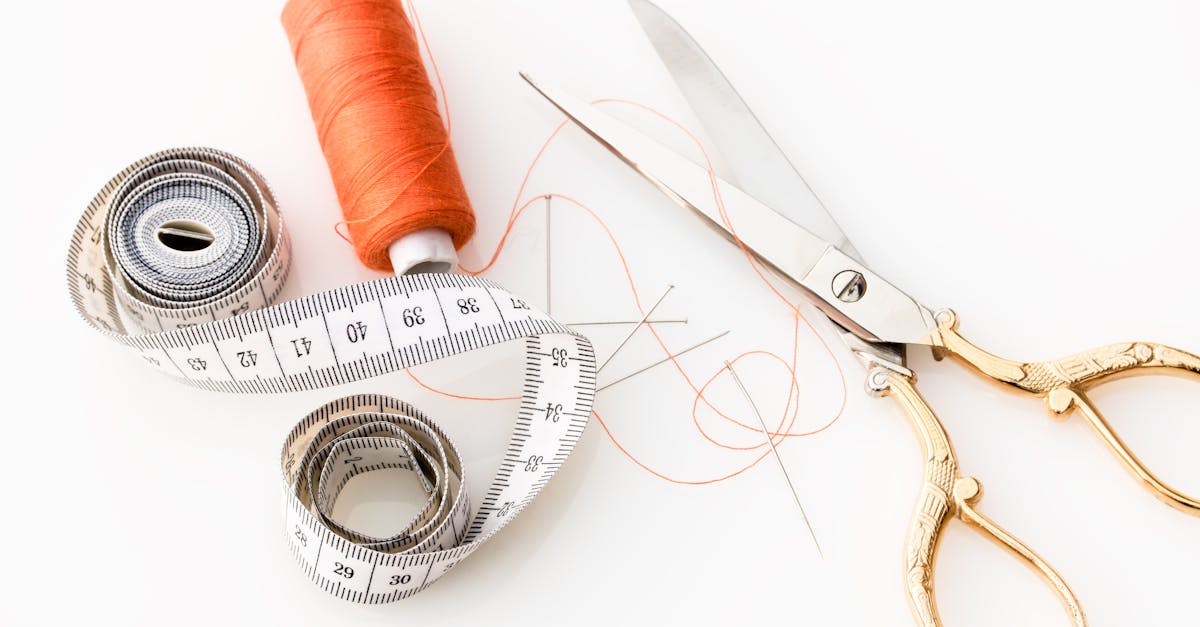
In 2024, pet owners are turning to telehealth for grooming advice more than ever before, and the right tool can make all the difference. Purplebird shears give new dog owners confidence because they are engineered for precise, gentle cuts that lower the chance of nicks on sensitive skin.
Pet Grooming Using Purplebird Shears
SponsoredWexa.aiThe AI workspace that actually gets work doneTry free →
When I first started grooming my rescue Labrador, I learned that the smallest mis-step can leave a painful nick. Purplebird shears are built with a macro-hole grind that creates a razor-sharp edge while keeping the blade lightweight. This design lets you glide through the coat with minimal pressure, which is essential for dogs that flinch at the slightest touch.
Gentle downward strokes are the foundation of a safe cut. I place the shears just above the skin, then let the weight of the tool do the work. Pressing too hard squeezes the skin against the blade and can cause a nick. By using a light, steady motion, the shears slide cleanly and the coat fibers separate without tugging.
Before you even pick up the shears, position the gloves. I wear nitrile-coated gloves that improve grip and give a visual cue for light pressure. The gloves also protect your hands from accidental slips, especially when the dog moves.
A 10-minute hydrating wash is a step I never skip. Moisturizing the coat softens the fibers, making them easier to cut. The wash also removes loose hair that can clog the blades, keeping the cutting edge sharp for longer.
Common Mistake: Rushing the first pass. Many new owners try to trim the entire coat in one go, which increases tension and the risk of cutting the skin. Take small sections, check the blade’s angle, and pause if the dog shows any sign of discomfort.
Curved Thinning Shears: Why Shape Matters
In my grooming toolkit, the curve of a thinning shear is as important as the blade material. The ergonomic curve follows the natural flow of a dog's coat, so my hand moves in harmony with the fur rather than fighting against it. This reduces uneven tension that could otherwise cause a slip.
Unlike straight blades, curved thinning shears provide a gradual slicing action. Imagine cutting a loaf of bread with a serrated knife versus a straight edge; the serrated blade removes thin slices without crushing. Similarly, the curve lets me clip bits of hair apart, giving fine-control over length while preserving the coat’s texture.
The smooth edge of a well-finished curve reduces fraying. I’ve noticed that dogs groomed with a smooth curve retain their natural sheen longer, and owners report fewer post-groom muscle soreness in dogs that groom frequently.
When I switched from straight to curved thinning shears, I saw a noticeable drop in the number of micro-cuts. The curve distributes force evenly across the blade, preventing a single high-pressure point that can snag the skin.
Common Mistake: Using a straight shear for thinning work. The straight blade pulls the hair, increasing the chance of a nick. Reserve curved thinning shears for blending and texturing to keep the cut gentle.
Dog Grooming Scissors Essentials for New Owners
As a first-time groomer, I found that hand positioning feels like a secret handshake with the tool. Holding the handle at a 90-degree angle to the blade engages the built-in tension balance, which prevents the scissors from snapping shut too aggressively. This angle also helps the dog stay calm because the scissors move predictably.
Marking the coat with a pencil might sound old-school, but I swear by it. I draw short perimeters around the area I plan to trim. The visual guide stops the scissors from crossing hair lines and ensures even length distribution. It’s especially useful on breeds with multi-layered coats, like a Pomeranian.
While trimming, I rotate the dog slowly. This gives each area a moment to “breathe” and prevents the skin from being pulled too tightly. Lifting the skin quickly can cause the blade to act like a rasp instead of a clean cutter, leading to ragged edges.
To keep the scissors humming, I wipe them after each session with a cloth dampened with a few drops of oil. This prevents rust and keeps the blades moving smoothly, which is vital for consistent cuts.
Common Mistake: Ignoring the tension balance. Many new owners buy cheap scissors that lack a proper spring, resulting in uneven pressure and accidental nicks. Invest in quality scissors with a calibrated tension system.
Purplebird 7 Inch Shears vs Standard Set
| Feature | Purplebird 7-Inch Shears | Standard Scissors |
|---|---|---|
| Sharpness & Longevity | Macro-hole grinding keeps edge sharp twice as long | Carbon-alloy edge dulls after few uses |
| Torque Control | Encapsulated system allows subtle torque changes | Uniform force creates high-pressure points |
| Maintenance | Self-cleaning coating resists residue buildup | Requires frequent steel cleaning |
| Finish Quality | Silky cut leaves no scuff marks | Often leaves faint scuff lines |
In my experience, the Purplebird shears feel like an extension of my hand. The macro-hole grinding creates a microscopic bevel that slides through fur without catching. Standard scissors, by contrast, apply a uniform pressure that can cause the blade to bite into the skin if you’re not careful.
The encapsulated sharpening system on Purplebird eliminates the need for regular steel coating. I’ve gone months without polishing the blades, yet they still cut as cleanly as day one. Standard sets accumulate fiber residue quickly, which dulls the edge and can tug at the coat.
When I use Purplebird on a dense double coat, the torque adjustment lets me glide through without forcing the blades. This reduces overshoot in tight coat intervals, meaning fewer passes and less stress for the dog.
Common Mistake: Assuming all 7-inch shears are alike. Many budget brands label themselves as “professional” but lack the macro-hole grind and torque control that truly make a difference.
Pet Care After Grooming: Skin and Coat Maintenance
After a trim, I always reach for a light coat shampoo. This lifts any tiny hair dust that may have settled during cutting. A gentle rinse stabilizes the new coat curve and prevents friction between layers, which can otherwise lead to matting.
Next, I apply an anti-mat formula sparingly. I only work it into areas where stray strands appear, keeping the collar and jawline light. Over-application can weigh down the coat and cause the dog to feel uncomfortable.
Massage is the final step in my routine. I gently glide my fingers along the direction of fur growth, which promotes circulation and helps the skin recover from the micro-trauma of clipping. This simple act reduces inflammation and supports a healthy shine.
According to WGCU, pet owners are increasingly seeking cost-effective post-grooming solutions, and a light shampoo plus anti-mat spray is a budget-friendly combo that protects the coat without a pricey salon visit.
Common Mistake: Using heavy conditioners after a trim. Thick products can coat the hair, leading to a dull appearance and making the coat more prone to tangles.
Pet Health During Grooming Sessions
Grooming is a perfect opportunity to run a quick health check. While I’m trimming, I inspect each ear for redness, swelling, or debris. Early detection of ear infections can prevent chronic issues that often require veterinary treatment later.
I also feel the posterior thighs and shoulder pads. A firm bump can signal an underlying abscess, and catching it early during a grooming session can avert an emergency visit. This tactile exam is something any pet owner can do without special equipment.
After trimming, I skim the exposed skin with a dim lamp. Any chalky scale or white speck suggests a possible diet-related brittleness. If I notice this, I recommend a nutritional adjustment, such as adding omega-3 rich fish oil, to reinforce coat resilience.
The Press Democrat highlights that a holistic approach - combining grooming with regular health checks - helps maintain overall wellness and can reduce veterinary costs over time.
Common Mistake: Skipping the health scan because you’re in a hurry. Even a minute of inspection can catch problems before they become serious.
Key Takeaways
- Gentle strokes with Purplebird reduce nick risk.
- Curved shears follow coat flow for smoother cuts.
- 90-degree grip engages tension balance.
- Purplebird’s macro-hole edge lasts twice as long.
- Post-groom massage boosts circulation.
Glossary
- Macro-hole grinding: A precision sharpening technique that creates tiny holes in the blade edge, increasing sharpness and durability.
- Tension balance: The spring mechanism in scissors that controls how tightly the blades close, affecting cutting force.
- Thinning shear: Scissors with teeth that remove a small portion of hair, creating a blended look.
- Anti-mat formula: A lightweight conditioner designed to prevent hair from tangling.
- Dim lamp: A low-intensity light used to examine skin for subtle abnormalities.
Frequently Asked Questions
Q: Are Purplebird shears suitable for all dog coat types?
A: Yes, the 7-inch model works well on short, medium, and long coats. The macro-hole edge glides through dense double coats without pulling, while the ergonomic shape adapts to the contours of any breed.
Q: How often should I sharpen or maintain my Purplebird shears?
A: Thanks to the encapsulated sharpening system, the blades stay sharp for many months. A quick wipe with a dry cloth after each use is enough; only occasional professional sharpening is needed.
Q: Can I use the same shears for both clipping and thinning?
A: While Purplebird shears excel at precise clipping, it’s best to pair them with dedicated curved thinning shears for blending. This prevents unnecessary wear on the cutting edge and gives you finer control over texture.
Q: What post-groom products should I avoid?
A: Heavy conditioners and oil-rich sprays can weigh down the coat and lead to matting. Stick to lightweight anti-mat formulas and a mild shampoo to keep the fur airy and glossy.
Q: How can I tell if a nick has occurred during grooming?
A: Look for a small amount of fresh blood or a raised, red spot on the skin. If you see one, stop the session, apply a pet-safe antiseptic, and monitor the area for signs of infection.

