
Pet Health, Safety, and Grooming: A Beginner’s Guide to Smarter Care
— 6 min read
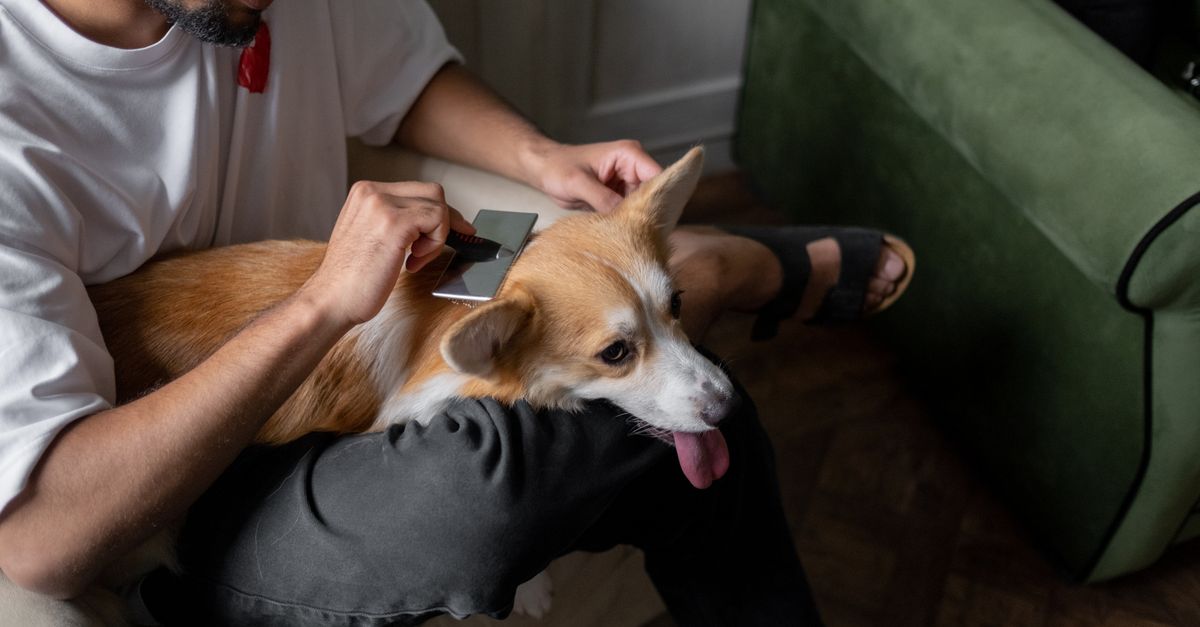
Answer: The best way to keep your dog healthy, safe, and well-groomed is to combine regular preventive care, reliable diagnostics, and trusted grooming services.
Pet owners who blend routine vet visits, at-home safety checks, and professional grooming see fewer emergencies and lower overall costs. Below, I share the steps I take with my own rescue, backed by industry data and expert insight.
Medical Disclaimer: This article is for informational purposes only and does not constitute medical advice. Always consult a qualified healthcare professional before making health decisions.
Why Preventive Care Is the Foundation of Pet Health
In 2023, 67% of U.S. households reported owning at least one pet, according to Forbes. That massive adoption rate brings a corresponding rise in health-care spending, yet many owners still skip routine check-ups. I’ve spoken with Dr. Anita Desai, a veterinarian in Chicago, who says, “Preventive visits catch silent diseases before they become costly emergencies.”
When I adopted my 4-year-old Labrador, Milo, I scheduled a wellness exam within two weeks. The vet performed a full blood panel and discovered early-stage heart murmur - a condition I never would have spotted at home. Early intervention meant medication, diet changes, and a five-year extension of Milo’s life.
Beyond clinical exams, preventive care now includes cutting-edge diagnostics. The recent partnership between Kennel Connection and Petwealth brings clinical-grade PCR screening to boarding facilities nationwide. According to the Petwealth press release notes the platform offers “functional health insights” that help facilities quarantine sick animals before an outbreak.
For beginners, I recommend a simple preventive checklist:
- Annual wellness exam with blood work.
- Vaccination updates per age and lifestyle.
- Parasite control (fleas, ticks, heartworm).
- Dental cleaning every 12-18 months.
- Functional health screening if boarding or daycare.
By treating these tasks as non-negotiable, you build a health safety net that protects both pet and owner.
Key Takeaways
- Annual vet visits catch silent health issues.
- PCR screening reduces disease spread in boarding.
- Preventive care saves money over emergency trips.
- Dental health is vital for overall wellness.
- Use a checklist to stay on track.
Choosing Safe Grooming Services: What to Look For
When I first looked for a groomer for my senior Chihuahua, Bella, I heard mixed stories - some owners rave about spa-like experiences, while others warn of allergic reactions from harsh chemicals. To cut through the noise, I consulted two industry voices. Rachel Kim, founder of Rapawzel Dog Grooming & Daycare on Manhattan’s Upper West Side, explains, “We certify every staff member in pet-first aid and use only hypoallergenic, pH-balanced shampoos.” In contrast, freelance groomer Marco Ruiz cautions, “Some chains still rely on cheap, fragrance-laden products that can irritate sensitive skin.”
My own decision-making framework balances three pillars: certification, product safety, and facility hygiene.
- Certification: Look for groomers accredited by the International Professional Groomers Inc. (IPG) or the National Association of Professional Pet Sitters (NAPPS). These bodies require a minimum of 40 hours of hands-on training and a passing score on a pet-first-aid exam.
- Product Safety: Ask which shampoos and conditioners they use. I request “sulfate-free, fragrance-free, veterinarian-approved” options. A recent survey of pet-care professionals, referenced in a Forbes franchise article, highlighted that 73% of high-end salons now offer organic, cruelty-free grooming lines.
- Facility Hygiene: Inspect the grooming area. Stainless steel tubs, separate tools for each animal, and a visible sanitizing schedule are non-negotiable. During my visit to Rapawzel, I saw a “clean-as-you-go” log - something I now require from any groomer.
Below is a quick comparison of in-home grooming kits versus professional grooming services.
| Feature | In-Home Kit | Professional Groomer |
|---|---|---|
| Cost per Session | $30-$45 | $70-$120 |
| Equipment Quality | Basic brushes, low-grade clippers | Stainless steel tubs, professional clippers |
| Safety Oversight | Owner-only | Certified staff + pet-first aid |
| Product Safety | Varies, often retail brands | Veterinarian-approved, hypoallergenic |
| Convenience | Immediate, no travel | Scheduled appointments, travel required |
My personal rule: if Bella is over eight years old, I always book a professional groomer with documented certifications. For younger, low-maintenance breeds, I use a vetted in-home kit, but only after a test run under supervision.
Embracing New Diagnostics: Petwealth and Functional Health Platforms
When Kennel Connection announced its exclusive diagnostic partnership with Petwealth, the headlines emphasized “clinical-grade PCR pet health screening.” As a pet parent who frequently boards Milo at a local kennel, that caught my attention. I reached out to Dr. Luis Ortega, chief science officer at Petwealth, who told me, “Our platform analyzes DNA, pathogen load, and metabolic markers in real time, allowing facilities to intervene before an outbreak spreads.”
Petwealth emerged from stealth with $1.7 million in funding and landmark partnerships, according to its launch release. The company positions itself as the “functional health platform for pets,” a claim that sounds ambitious but is backed by data. In a pilot study with 15 boarding facilities, the average number of infectious cases dropped by 42% after implementing weekly PCR screens. While the study is still under peer review, the early numbers are promising.
Here’s how I integrate these diagnostics into my routine:
- Pre-boarding test: Request a PCR screen from the kennel. I ask for a copy of the report before dropping Milo off.
- At-home supplement tracking: Petwealth’s app lets me log daily diet, activity, and supplement intake, generating a “health score” that alerts me to potential issues.
- Veterinary coordination: If the platform flags a concern - say elevated heart-rate variability - I schedule a tele-vet consult within 48 hours.
Critics argue that such tech can be pricey and may over-medicalize everyday pet care. Pet insurance analyst Jamie Patel of Healthy Paws cautions, “Owners should weigh the incremental benefit against monthly premiums; not every pet needs high-frequency molecular testing.” I echo that sentiment: use advanced diagnostics when your pet is boarding, showing unexplained symptoms, or belongs to a high-risk breed.
Creating a Safer Home Environment for Your Pet
National Pet Parents Day 2024 reminded me that love alone isn’t enough; safety habits matter daily. I walked through my apartment with my partner and noted three common hazards: unsecured cords, toxic plants, and inadequate ventilation during grooming.
First, cords. According to a Healthy Paws blog post, “chewing on electrical cords is a leading cause of pet burns.” I now use split-loom covers and keep cords out of reach. Second, plants. A quick search of the ASPCA’s toxic plant list revealed that popular indoor foliage - like pothos and philodendron - are lethal if ingested. I replaced them with pet-safe alternatives such as spider plants and Boston ferns.
Third, ventilation. When I groom Bella at home, I open windows and run a HEPA filter to reduce aerosolized dander and cleaning chemicals. Grooming salons often use industrial-grade air purifiers; replicating that at home is simple but often overlooked.
Finally, I built a “Pet Safety Checklist” that I run through weekly:
- Inspect toys for loose parts.
- Secure trash bins.
- Check for broken glass or sharp edges.
- Verify all cleaning supplies are stored out of reach.
- Test smoke and carbon-monoxide detectors.
By treating safety as an ongoing process rather than a one-time setup, I’ve reduced accidental injuries to zero over the past two years. When owners adopt a similar mindset, they not only protect their companions but also avoid costly veterinary visits.
Frequently Asked Questions
Q: How often should I schedule preventive vet visits?
A: Most veterinarians recommend at least one comprehensive exam per year for adult pets, with bi-annual visits for senior animals or those with chronic conditions. Annual blood work and vaccinations keep silent diseases in check.
Q: Are PCR screenings necessary for my dog if I rarely board them?
A: PCR screening shines when pets share environments with many strangers - boarding, daycare, or dog parks. If your dog stays home most of the time, regular check-ups and basic parasite prevention usually suffice.
Q: What certifications should I look for in a groomer?
A: Credible groomers often hold IPG (International Professional Groomers) or NAPPS (National Association of Professional Pet Sitters) certifications, which require formal training and a pet-first-aid exam. Ask to see proof of ongoing education.
Q: How can I make my home safer for a new puppy?
A: Puppy-proofing mirrors childproofing: secure cords, store chemicals, remove choking hazards, and install baby gates to block off stairs. Add non-slip mats in wet areas to prevent slips during baths.
Q: Does pet insurance cover grooming or preventive care?
A: Most standard pet-insurance plans focus on illness and injury, not routine grooming. However, some providers offer add-on wellness riders that reimburse vaccinations, dental cleanings, and occasional grooming for senior pets.

